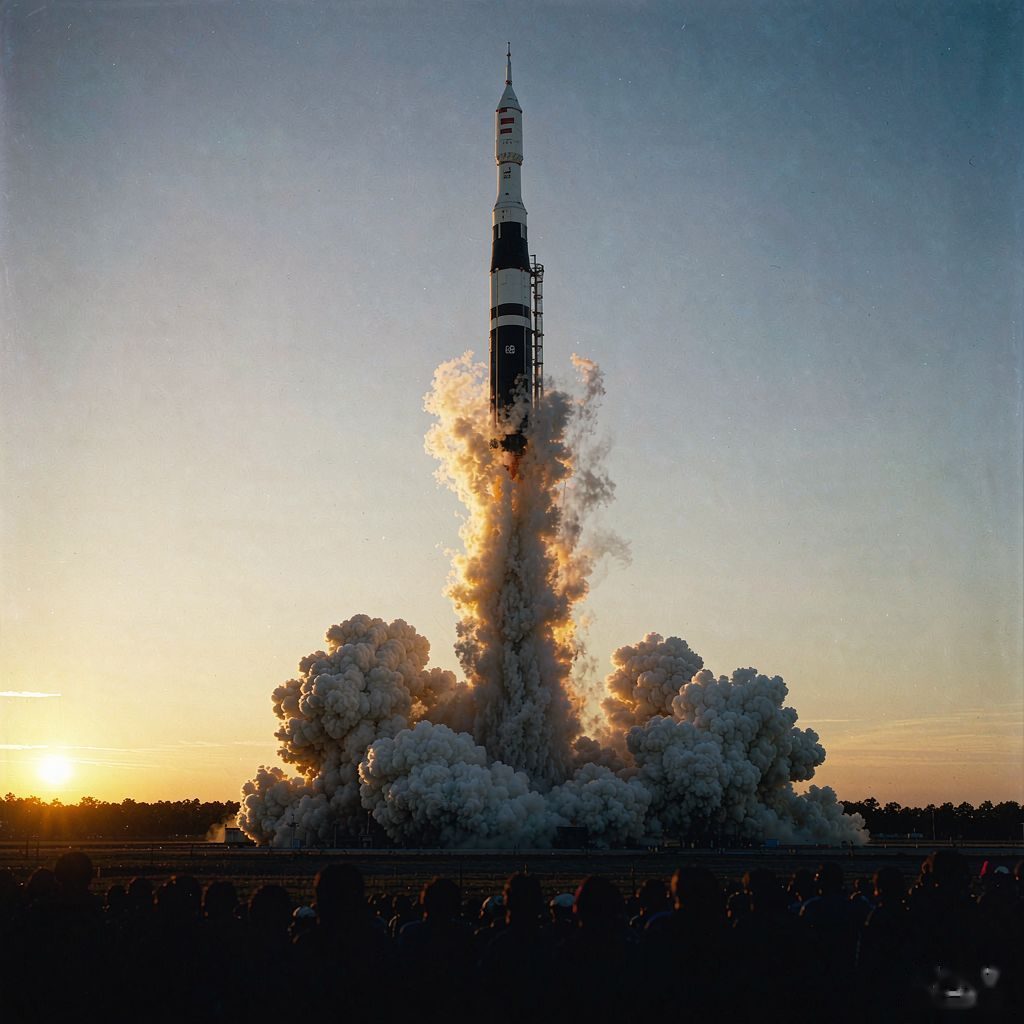
From the first satellite streaking across the sky to astronauts living permanently in orbit — in just a few decades, humanity made the astonishing leap from a ground-bound species to a spacefaring one.
Long before rockets, the history of space exploration began with "looking up." Thousands of years ago, priests in Mesopotamia recorded the positions of stars; ancient Chinese astronomers kept the world's most complete records of comets and supernovae; the Maya tracked Venus with stone observatories. This early work laid the foundation of astronomy: humanity realized for the first time that the sky was not a mysterious dome, but something that could be observed, calculated, and understood.
In the 16th century Copernicus proposed the heliocentric model, removing Earth from the center of the universe; Kepler discovered the three laws of planetary motion; Galileo pointed the first telescope skyward and saw the moons of Jupiter; Newton proved that the force pulling an apple to the ground is the very same force keeping the Moon in orbit. This discovery was profound — it meant that an object moving fast enough could orbit the Earth just like the Moon. The theoretical basis of the artificial satellite was written more than three centuries before the first launch.
"Earth is the cradle of humanity, but one cannot live in a cradle forever." — Konstantin Tsiolkovsky
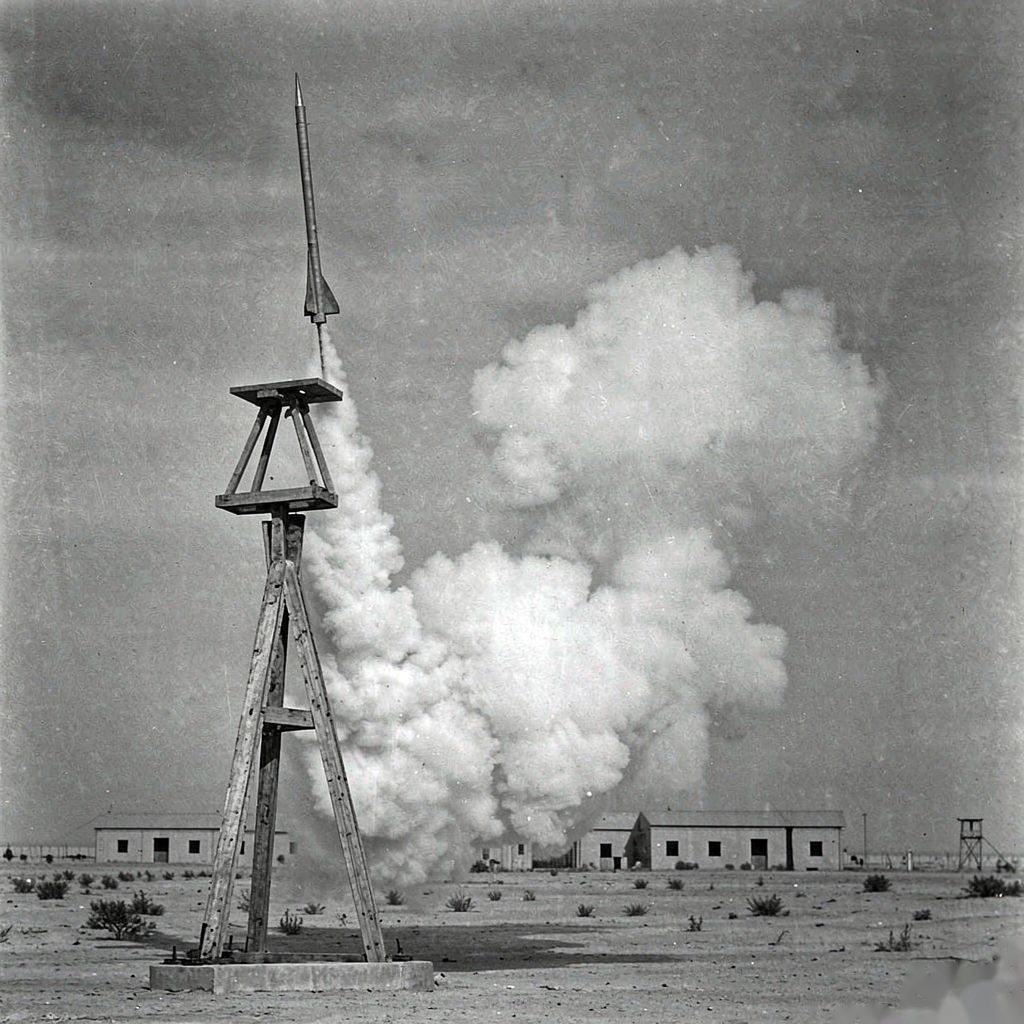
In 1903, a Russian schoolteacher named Konstantin Tsiolkovsky published the rocket equation and first proposed multi-stage rockets as the way to break past speed limits. Around the same time, American physicist Robert Goddard conducted the world's first liquid-fueled rocket firing. On March 16, 1926, his rocket flew for 2.5 seconds and rose 12 meters — proving liquid rockets were feasible. Every rocket flying to space today traces back to that "insignificant" flight.
World War II dramatically accelerated rocketry. Germany's V-2 was the first ballistic missile; after the war, engineers quickly redirected the technology toward peaceful exploration. Through the 1950s both superpowers invested heavily in rockets, and both fixed on the same first goal: placing an artificial satellite into Earth orbit.
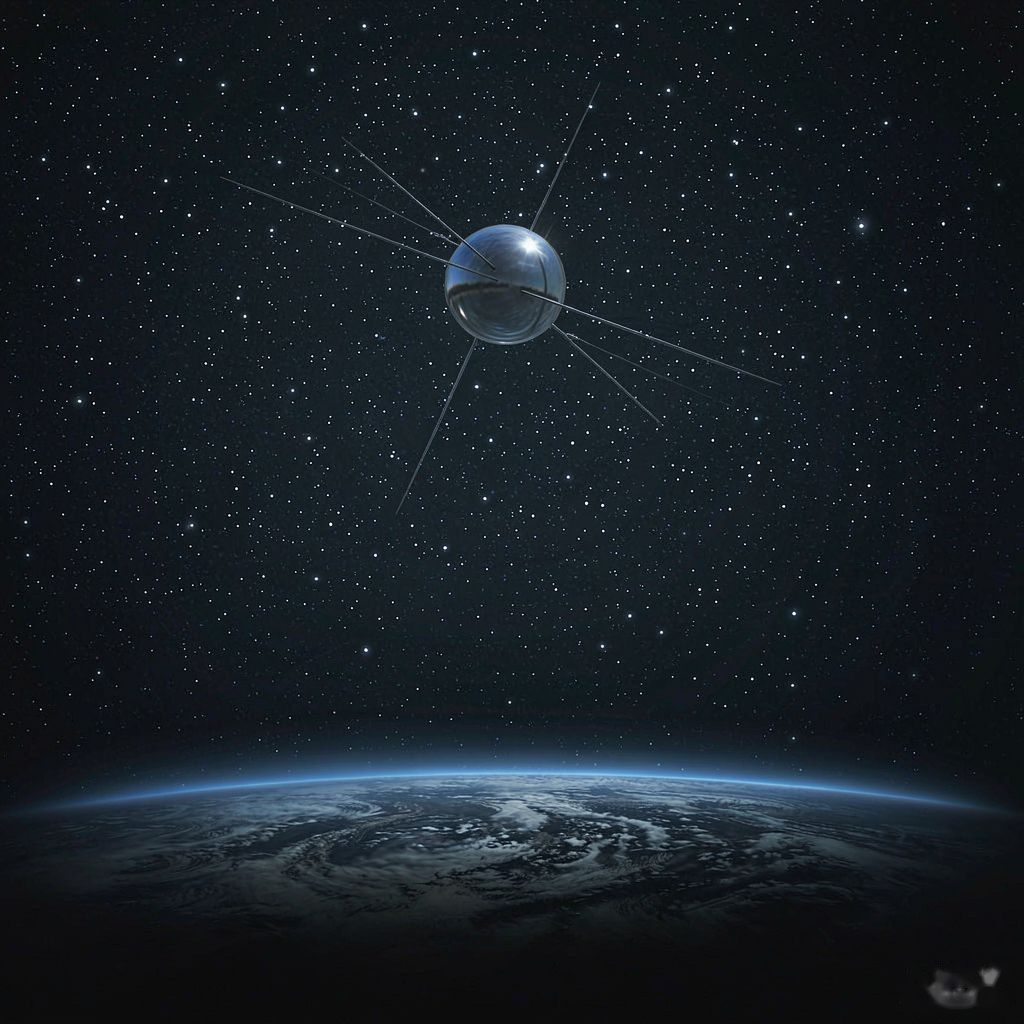
On October 4, 1957, the Soviet Union launched Sputnik 1 ("fellow traveler") on an R-7 rocket. The satellite carried no instruments — only a radio transmitter whose steady beeping announced to the world that humanity had entered the Space Age. Amateurs around the globe picked up the signal from orbit, and on clear nights people could see the moving point of light with the naked eye.
The shockwave was enormous. Sputnik proved rockets could place objects in orbit — and reshaped the technological rivalry between the superpowers. The Space Race had begun. A month later the Soviets launched the dog Laika, the first living being in orbit, proving that at least briefly, life could survive spaceflight.
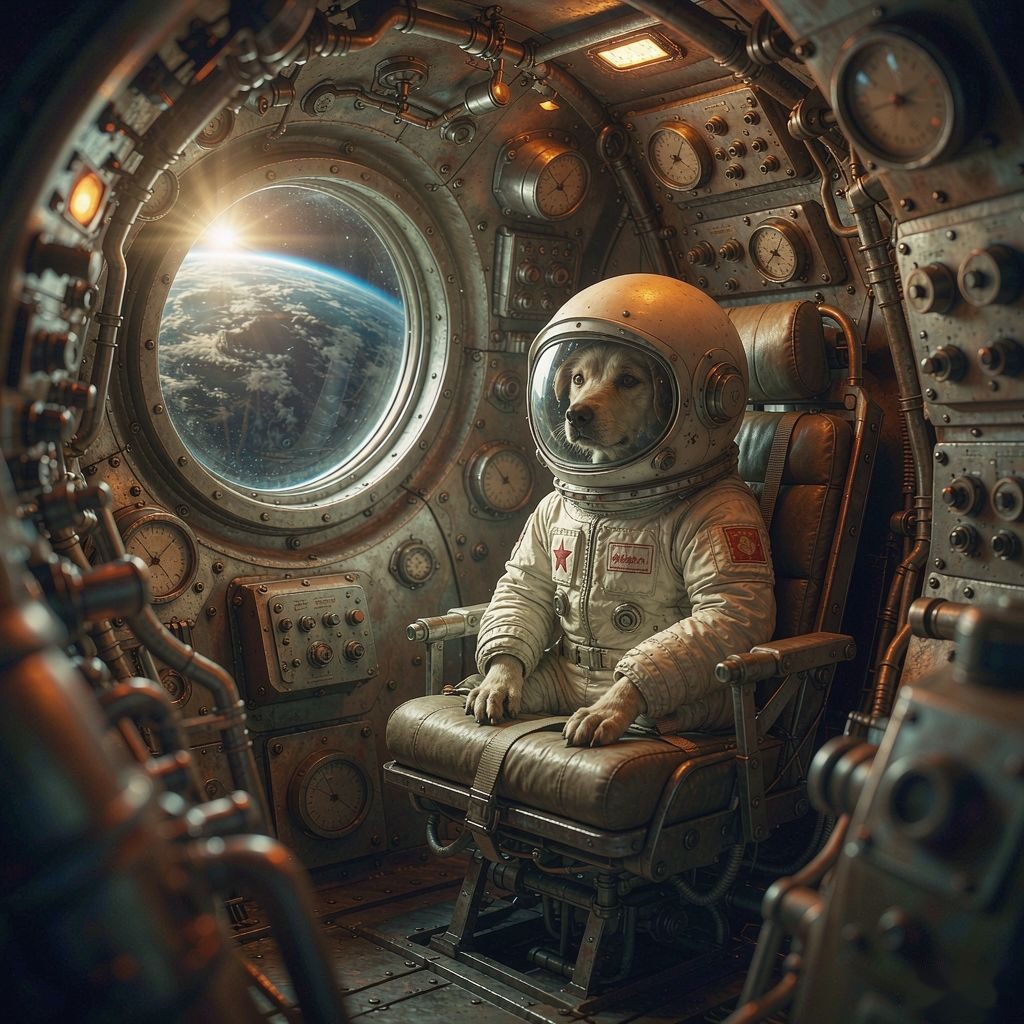
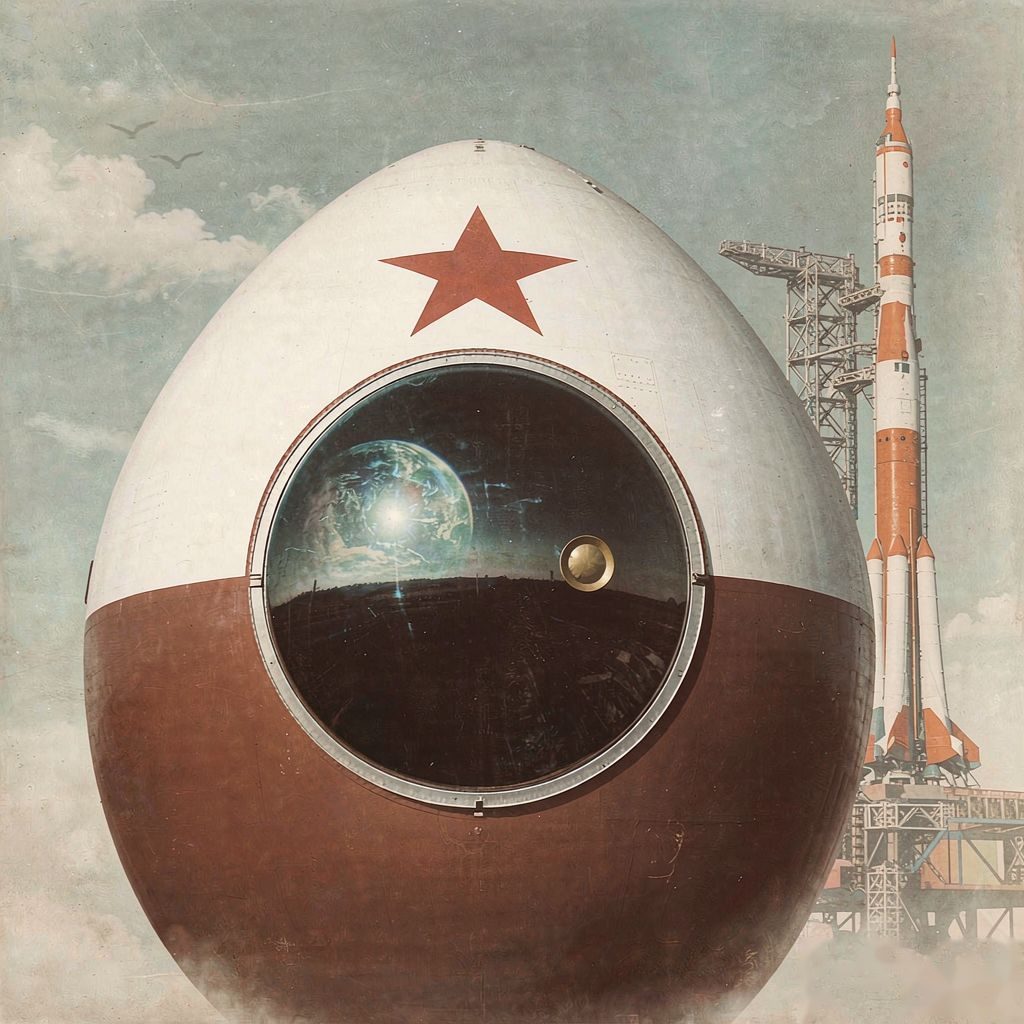
On April 12, 1961, 27-year-old Soviet pilot Yuri Gagarin rode Vostok 1 into orbit from the Baikonur Cosmodrome. During 108 minutes of flight he became the first human to see the whole Earth from space. "The Earth is blue," he radioed. "How wonderful." April 12 is now celebrated worldwide as the International Day of Human Space Flight.
Just 23 days later Alan Shepard flew a suborbital arc for America; in February 1962 John Glenn became the first American to orbit Earth. The race intensified. In May 1961, President Kennedy told Congress: "We choose to go to the Moon in this decade and do the other things, not because they are easy, but because they are hard."
On July 20, 1969, some 600 million people watched the most famous live broadcast in history as Neil Armstrong and Buzz Aldrin landed the Eagle at Tranquility Base. Stepping onto the surface, Armstrong said the words that would echo forever: "That's one small step for man, one giant leap for mankind."
From 1968 to 1972 the Apollo program landed twelve astronauts on the Moon and returned 382 kg of lunar rock and soil — samples still being studied today, still rewriting our understanding of the Moon's origin. But Apollo's true meaning goes beyond science: it proved our species can leave its cradle, stand, walk, and work on another world. Nothing like it had happened in 3.8 billion years of life on Earth.
Cooperation also took root in this era. In 1975 an Apollo capsule docked with a Soviet Soyuz in orbit, and the two crews shook hands through the hatch — the first act of a drama that would later become the International Space Station.
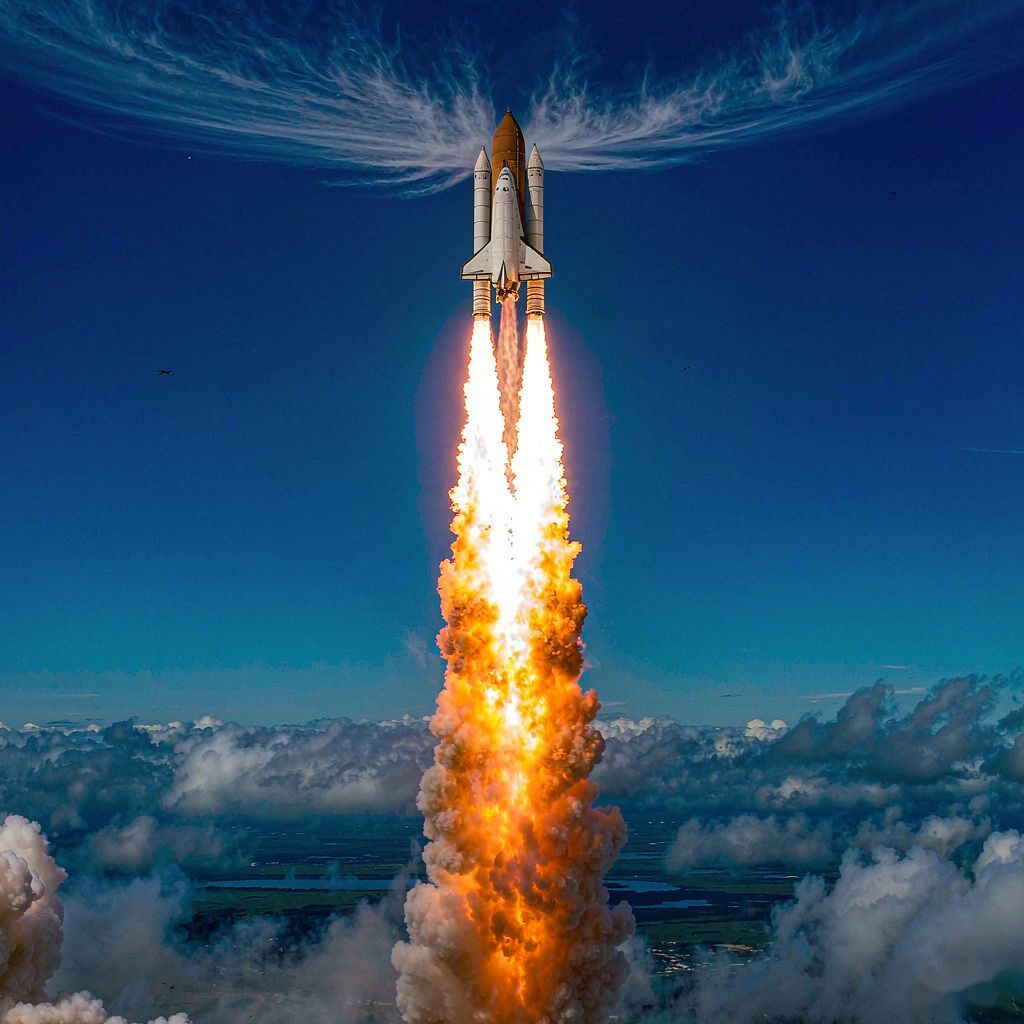
In April 1981 Columbia inaugurated the Space Shuttle era. Launching like a rocket and landing like a glider, the shuttle's huge cargo bay deployed satellites, station modules, and the Hubble Space Telescope. Across 30 years and 135 missions it built most of the ISS — but the losses of Challenger (1986) and Columbia (2003) also reminded the world that space exploration is never a smooth road. Fourteen astronauts gave their lives.
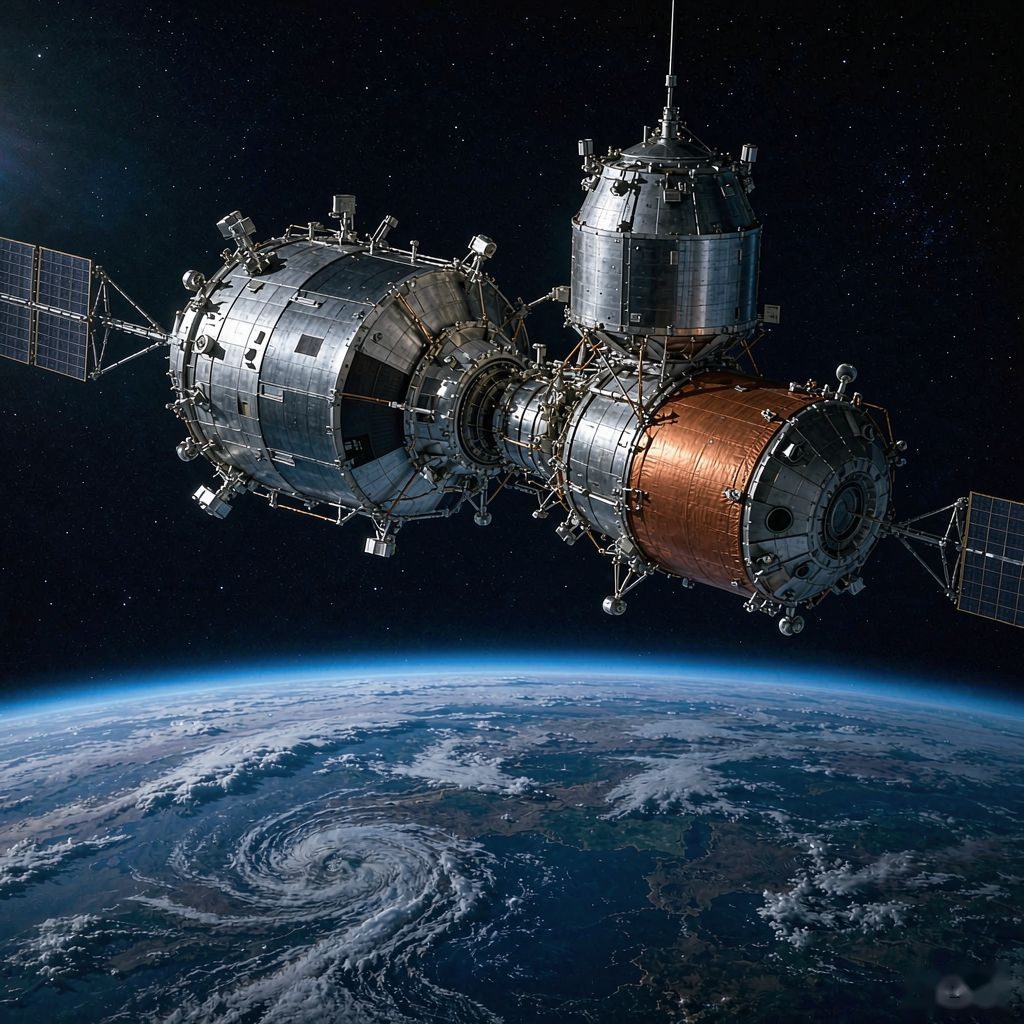
In 1986 the Soviet Union launched the core module of Mir, the first long-term crewed outpost. Cosmonaut Valeri Polyakov spent 437 consecutive days in orbit — a record still unbroken — generating much of what we know about bone loss, muscle atrophy, and psychological challenges on long missions.
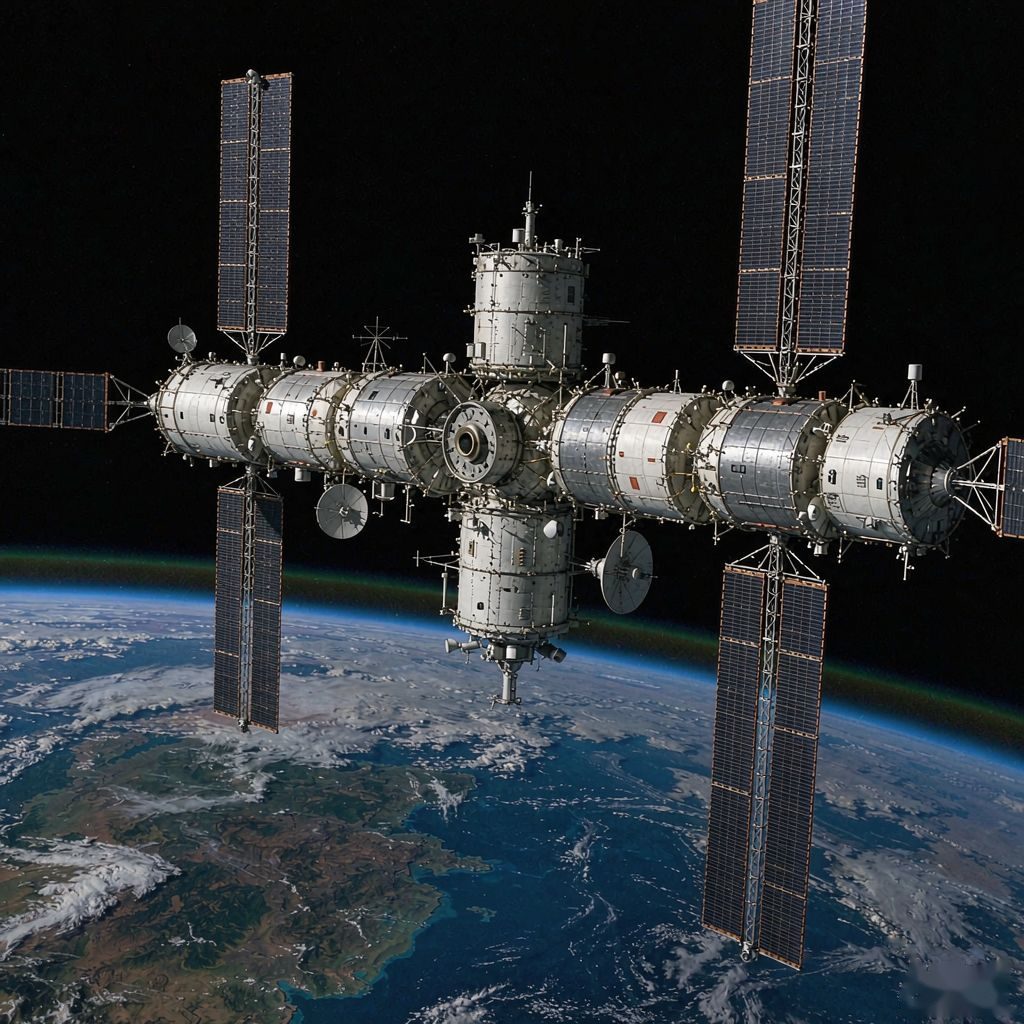
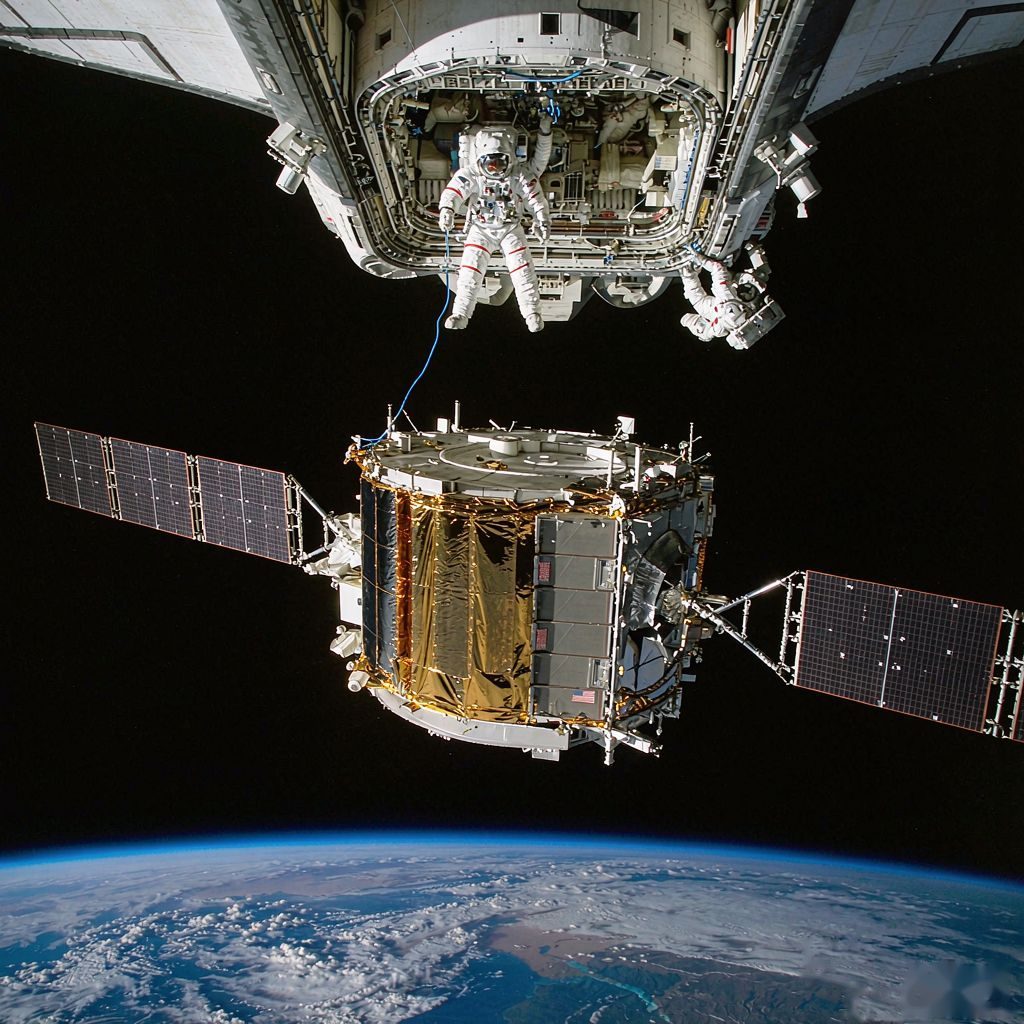
On November 20, 1998, the ISS's first module, Zarya, lifted off from Baikonur. Built by 16 nations, it is the largest engineering project in human history — and since November 2000 it has been continuously inhabited. Humanity has now lived off the planet, without interruption, for over two decades. More than 280 astronauts from over 20 countries have visited, performing over 3,000 experiments.
Meanwhile robotic explorers went farther. Voyagers 1 and 2, launched in 1977, flew past all four giant planets and have now crossed into interstellar space. Voyager 1 — over 24 billion kilometers away — remains the most distant human-made object, carrying the Golden Record with greetings, music, and images from Earth, destined to drift through the galaxy for eons.
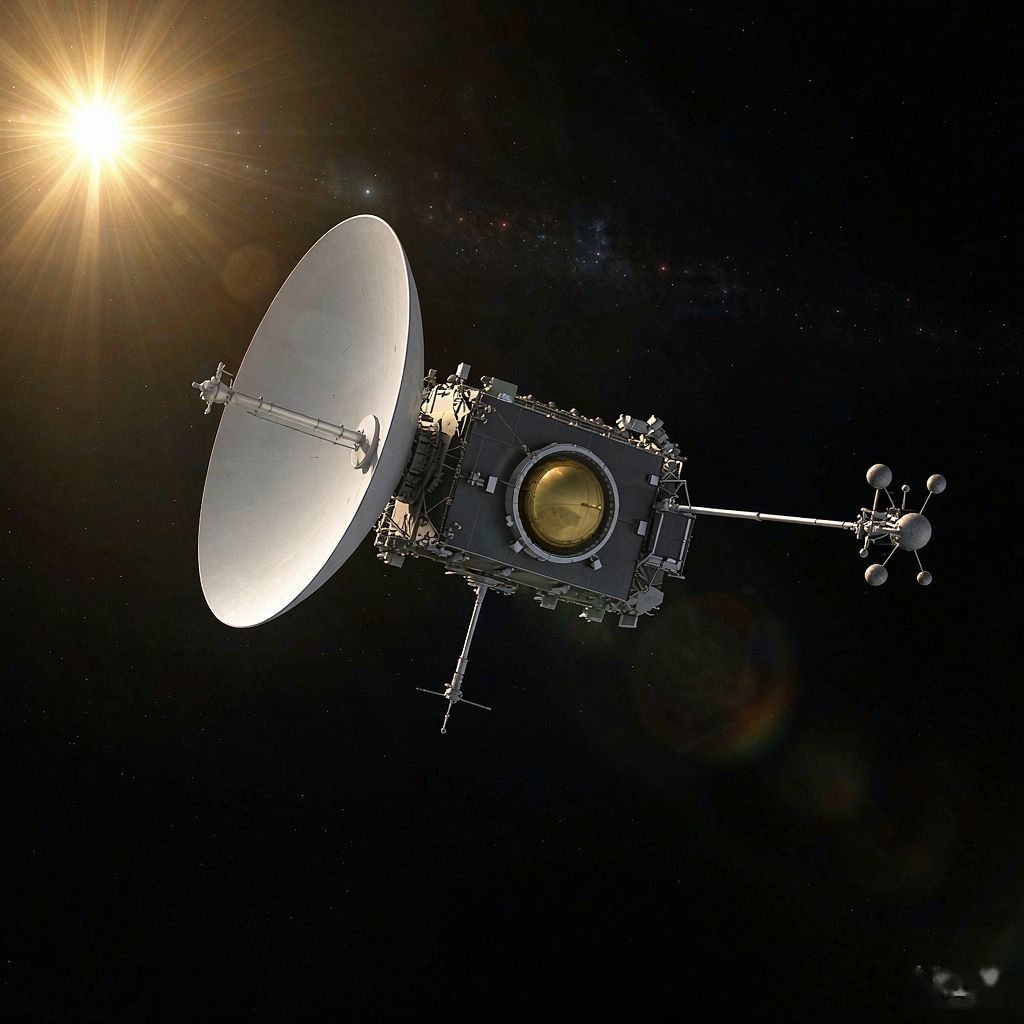
On April 24, 1970, China's first satellite Dongfanghong 1 reached orbit, broadcasting a melody from space and making China the fifth nation to launch a satellite independently. In October 2003 Yang Liwei flew aboard Shenzhou 5, making China the third nation to fly humans independently. Chang'e 1 orbited the Moon in 2007; Chang'e 4 achieved humanity's first far-side landing in 2019; Chang'e 5 returned 1,731 grams of lunar samples in 2020; and in 2021 Tianwen-1 accomplished orbiting, landing, and roving on Mars in a single mission.
In April 2021 the Tianhe core module began the assembly of the Tiangong space station, completed by the end of 2022. Today two space stations — the ISS and Tiangong — are permanently crewed, a new chapter in the human presence in orbit.
On December 21, 2015, a Falcon 9 first stage landed upright after boosting a satellite to orbit — the first recovery of an orbital-class booster. Rockets were consumables; now they fly twenty or more times each, and launch prices have fallen by an order of magnitude. Commercial spaceflight has swept the globe: suborbital tourism, mega-constellations, and a fast-growing generation of private launch companies — including China's. Space exploration is becoming a truly global industry, gathering strength for the next great goal: back to the Moon, and on to Mars.
"We choose to go to the Moon — not because it is easy, but because it is hard." — John F. Kennedy
2.5 seconds, 12 meters — the starting point of modern rocketry.
Laika becomes the first animal in orbit the same year.
April 12 becomes the International Day of Human Space Flight.
She orbited Earth 48 times solo aboard Vostok 6.
Alexei Leonov floats in vacuum for 12 minutes.
Armstrong and Aldrin walk on the surface; Collins keeps watch above.
The era of orbital outposts begins.
Still flying today, carrying the Golden Record.
Reusable human spaceflight begins.
The deep universe comes into public view.
The largest international project off Earth.
China becomes the third nation with independent human spaceflight.
Mars is proven to have once been habitable.
Reflight becomes reality; costs tumble.
The Queqiao relay links the hidden face to Earth.
Planetary science and deep-space astronomy leap forward.
Return-to-the-Moon programs accelerate worldwide.
