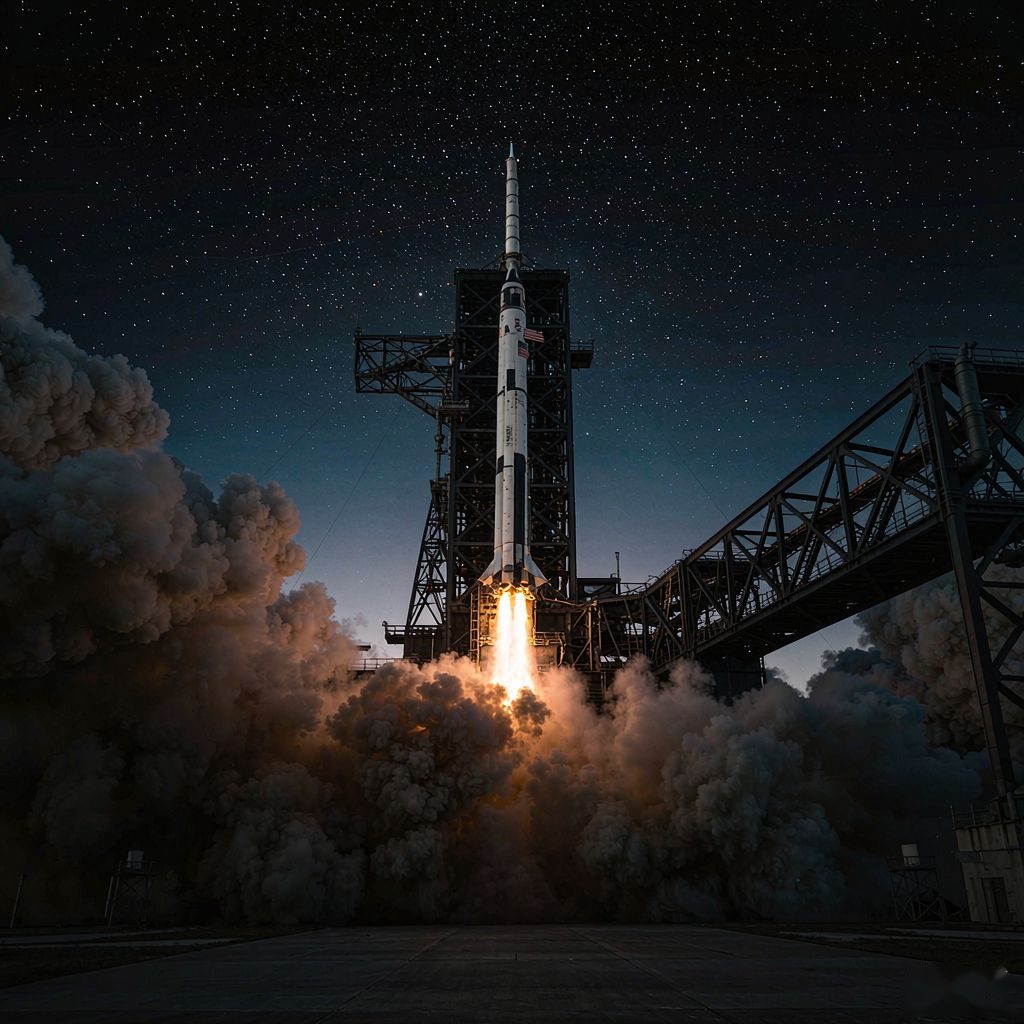
From escape velocity to the faint blue glow of ion engines, from a 14-layer spacesuit to a station that has run for twenty years — modern spaceflight is the summit of human engineering.
To reach space you must fly fast enough. Near the ground, orbiting Earth takes about 7.9 km/s (first cosmic velocity); escaping Earth entirely takes about 11.2 km/s. Only a rocket can reach those speeds, because it carries its own oxidizer — unlike aircraft, it needs no air for lift or combustion, which is why it works in vacuum. Rocket propulsion is Newton's third law in its purest form: throw mass backward fast, and you are pushed forward.
Modern launch vehicles are typically multi-stage: when the first stage burns out it is discarded, and the lighter upper stage continues accelerating — Tsiolkovsky's idea made real. Liquid engines (LOX/kerosene, LOX/hydrogen) offer high performance and throttle control; solid boosters are simple and storable. Saturn V, Energia, Falcon 9, Long March 5 — every deep-space dream has stood on ever larger rockets.
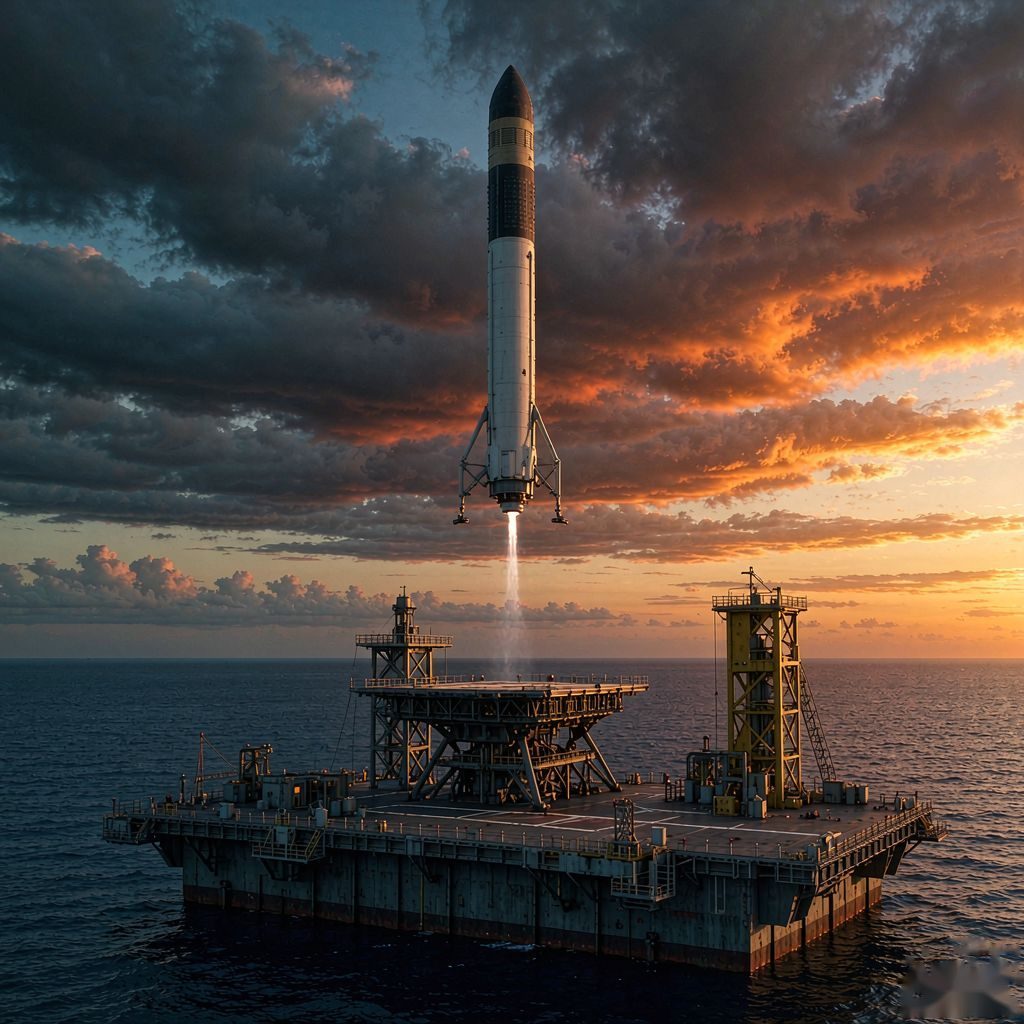
Traditional rockets were one-shot products: minutes after liftoff, a multi-million-dollar first stage fell into the sea. If airliners were scrapped after every flight, what would a ticket cost? That simple question drove reusability. In 2015 SpaceX landed a Falcon 9 first stage for the first time; today single boosters fly twenty-plus missions and launch prices have fallen to a fraction of traditional vehicles.
The hard part is "braking": the returning stage reenters at several times the speed of sound, then decelerates with engine relights, grid-fin aerodynamics, and landing legs. Every successful landing hides dozens of technologies — guidance algorithms, deep-throttling engines, heat-resistant materials. Falling costs are the prerequisite for everything that follows: Moon bases, Mars fleets, and a real space economy.
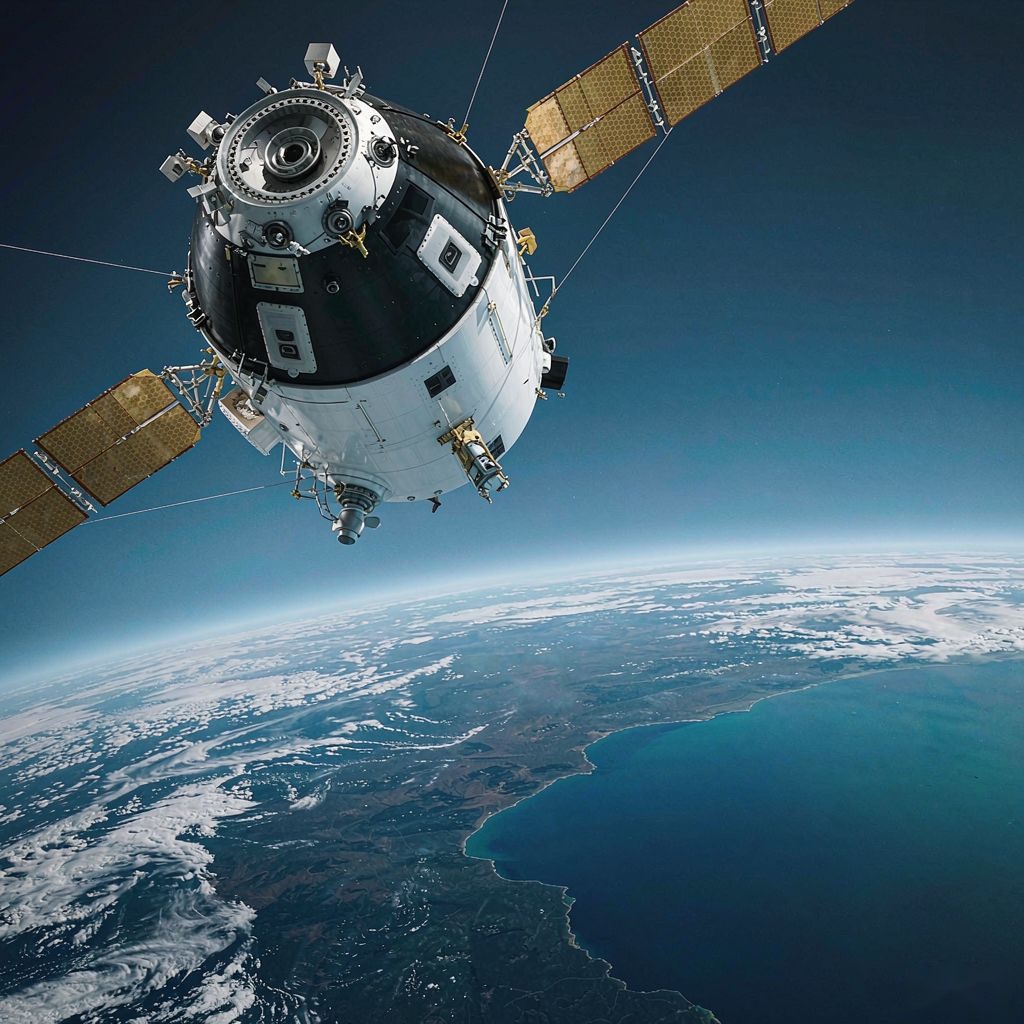
Human spaceflight differs from robotic flight in a single word: people. A crewed vehicle must solve life-and-death problems: launch loads of 4–5 g; reentry heating above 1,600°C (ablative shields sacrifice themselves to protect the cabin); oxygen, water, pressure, temperature, and CO₂ control; and — above all — launch escape capability from pad to orbit. Shenzhou, Soyuz, Crew Dragon, Orion: different machines, one shared principle — life first.
Take China's Shenzhou: an orbital module, a bell-shaped reentry module, and a service module. The heat shield absorbs the plasma fireball of reentry; a 1,200-m² parachute slows descent from 200 m/s to about 8 m/s; retro-rockets fire for a soft landing. Every step is a duel between engineering and physics, won on behalf of the crew.
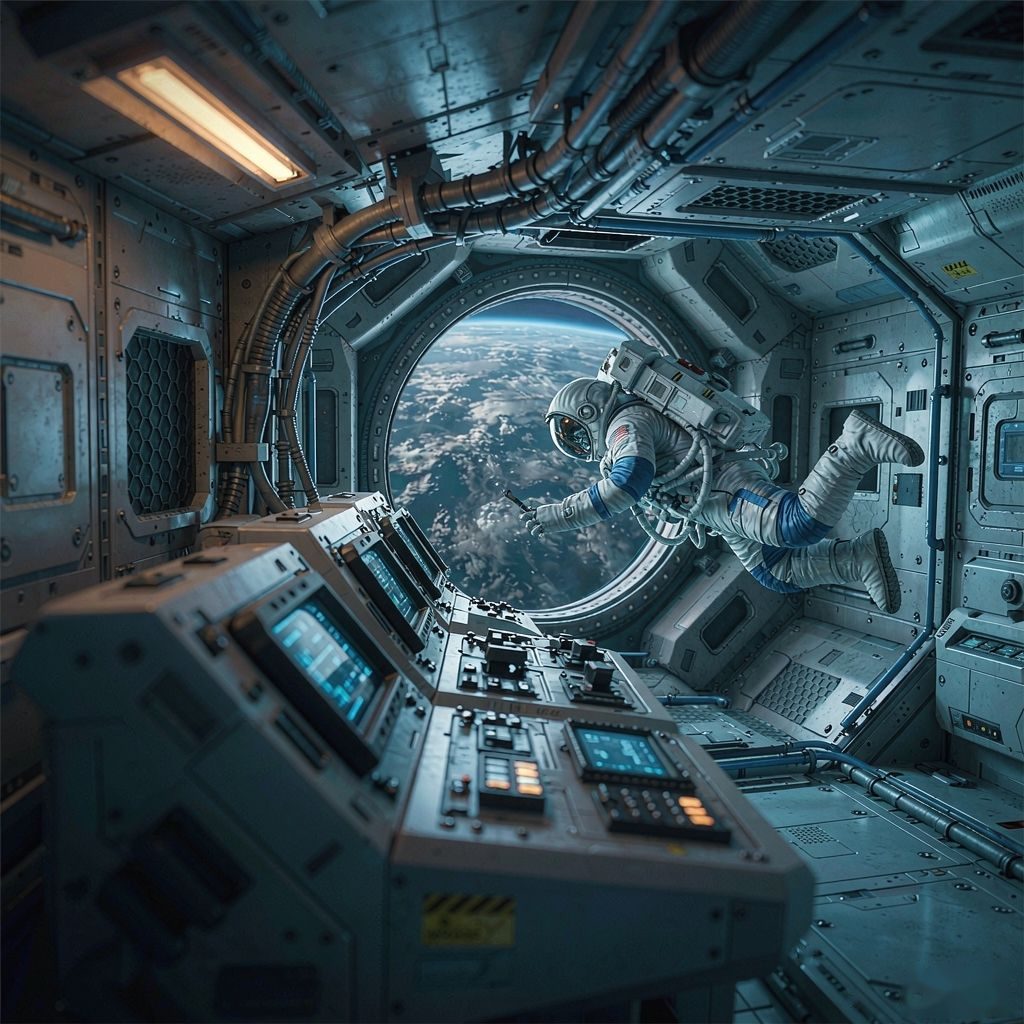
A space station is a crewed laboratory circling Earth every 90 minutes — sixteen sunrises a day. Its microgravity environment (one-millionth of surface gravity) enables experiments impossible on the ground: protein crystals grow more perfect, aiding drug design; metal alloys solidify without sedimentation; fluids, flames, and microbes all behave differently.
Daily life is surprisingly down-to-earth: everything is Velcroed down, water comes from sealed pouches, exercise takes two hours a day to fight bone loss, and sleep means zipping into a wall-mounted bag. Cargo vehicles — Tianzhou, Progress, Cygnus — deliver supplies regularly, and regenerative life-support systems recycle over 90% of the water in the air, including crew sweat and breath.
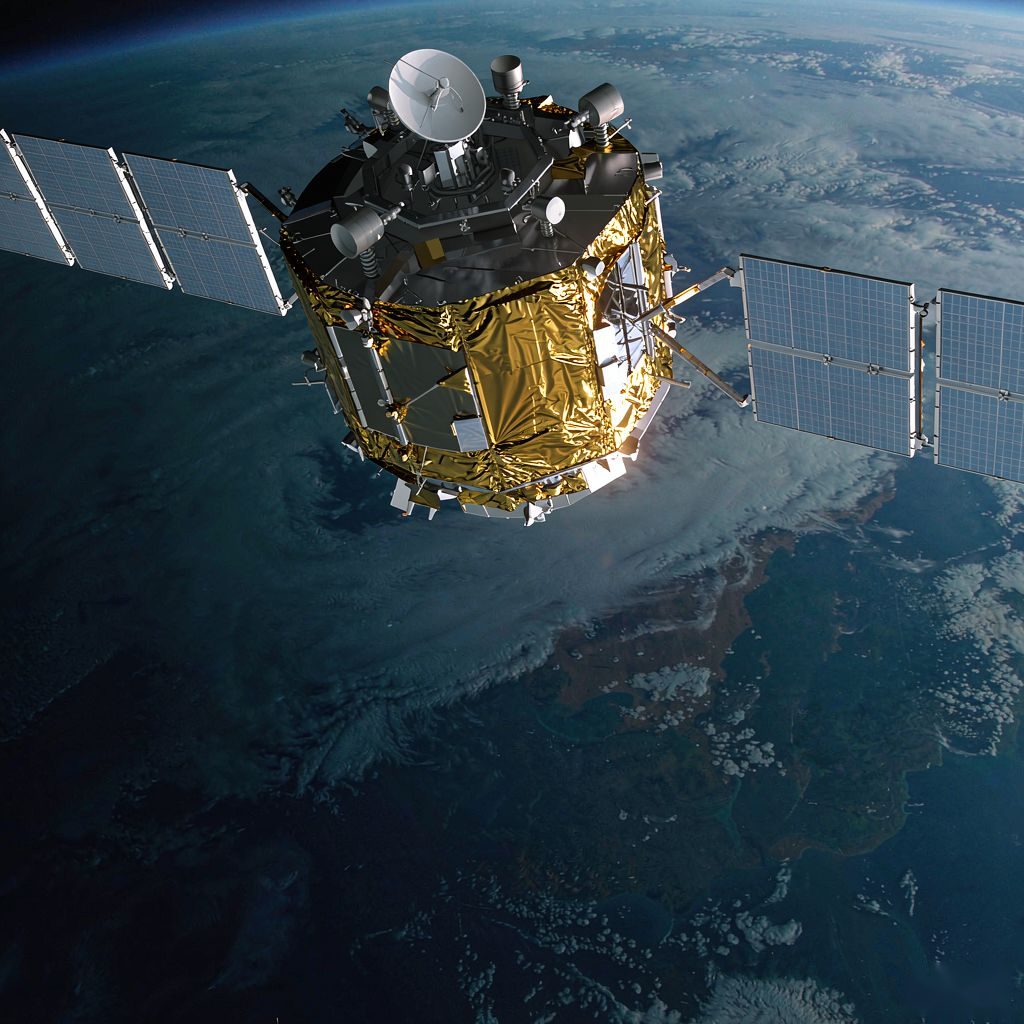
If you have used navigation, checked a weather forecast, or looked at a satellite map today, you have used satellites. Over ten thousand spacecraft now orbit Earth: communications satellites relay signals across oceans; navigation constellations (BeiDou, GPS, GLONASS, Galileo) fix positions to centimeter precision; weather satellites track storms and rising seas; Earth-observation satellites monitor crops, wildfires, glaciers, and pollution.
Orbits define missions: low Earth orbit for imaging and constellations, ~20,000 km for navigation, 35,786 km for geostationary communications and weather. Powered by solar arrays and batteries, stabilized by reaction wheels and magnetorquers, a modern satellite can outlive fifteen years in the harshest environment we know.
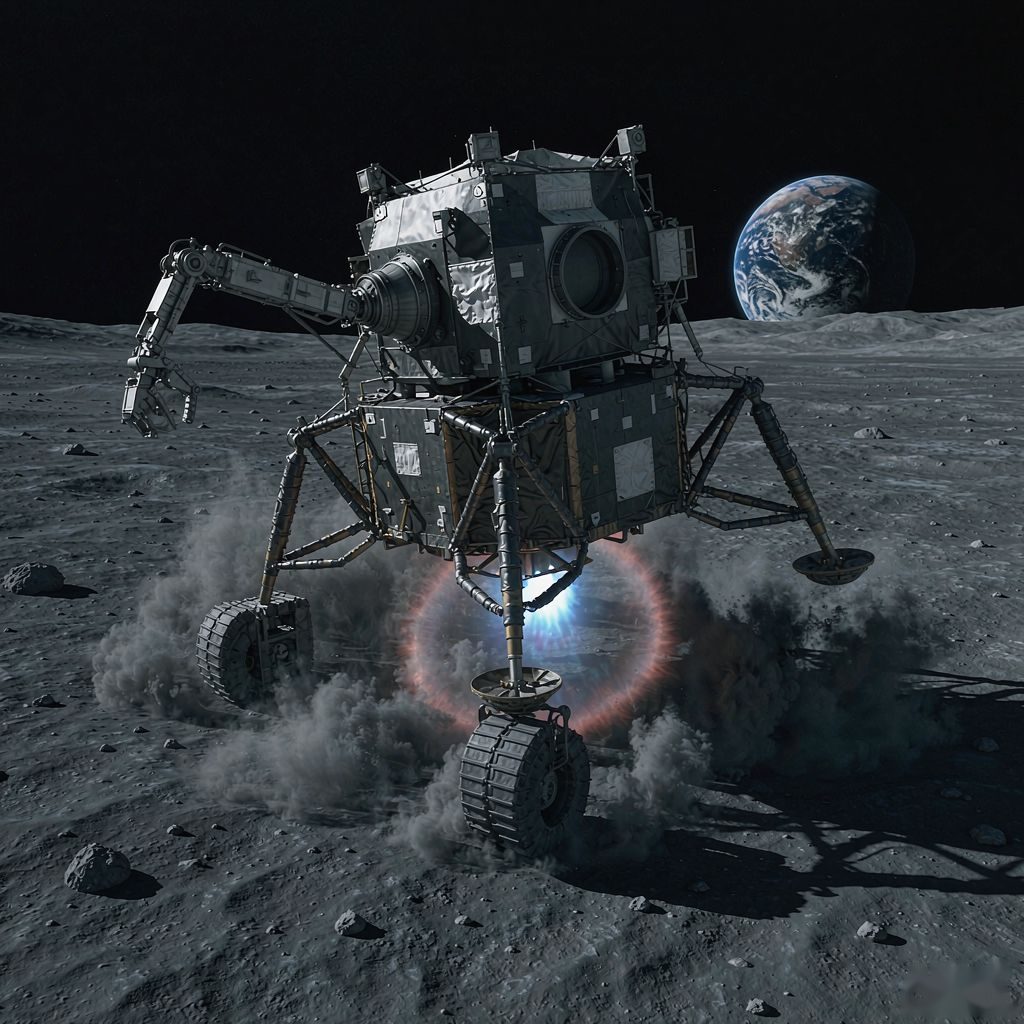
Robots always go first. A lunar soft landing demands autonomous hovering, terrain scanning, and hazard avoidance in the final seconds. Mars is harder still: after a seven-month cruise, the spacecraft hits the atmosphere above 5 km/s and must reach zero in "seven minutes of terror" — supersonic parachute, retro-propulsion, skycrane or airbags — with no possible real-time help from Earth; the one-way light delay is already many minutes.
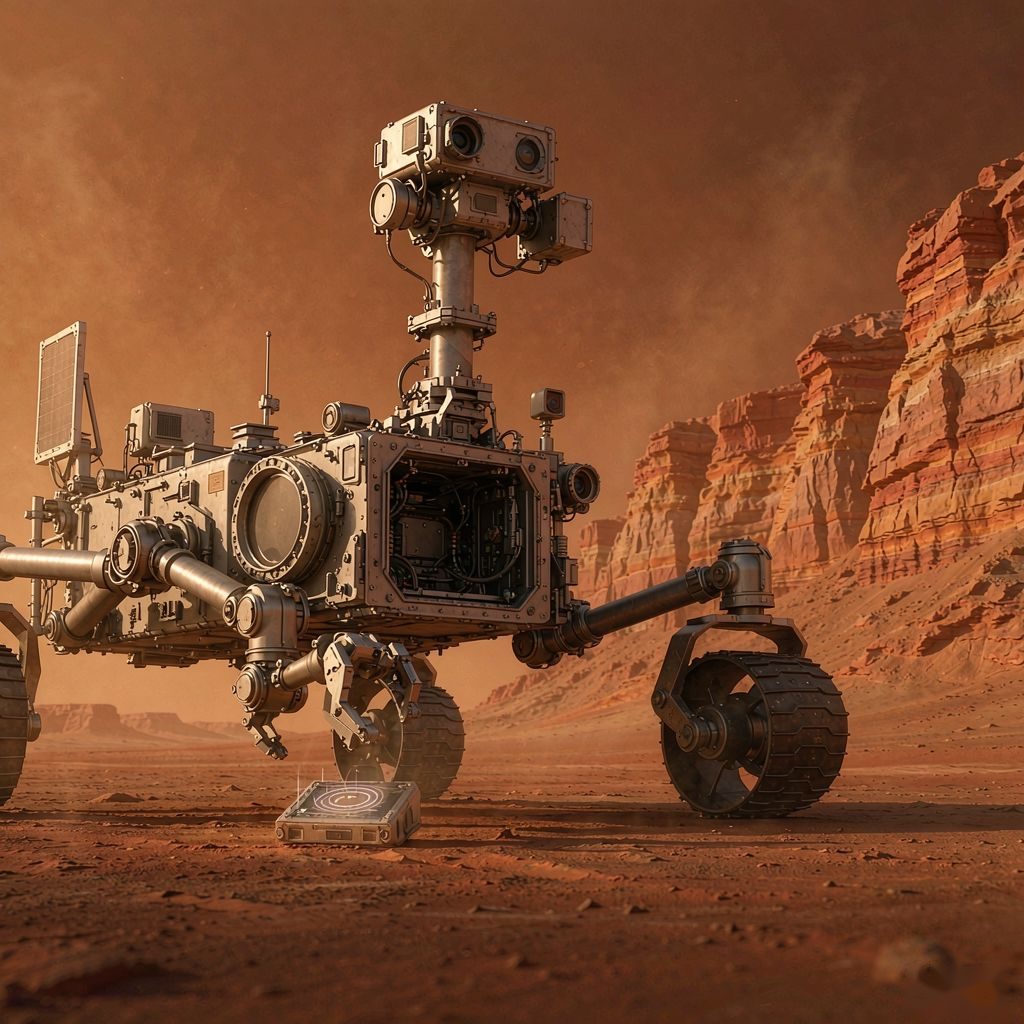
Rovers are laboratories on wheels: mast cameras map the terrain, robotic arms aim spectrometers at rocks, drills seal samples for future return. Zhurong, Perseverance, and Curiosity share one quest — evidence of ancient habitability and life. Perseverance's MOXIE experiment even made oxygen from Martian CO₂, proving future explorers can live off the land.
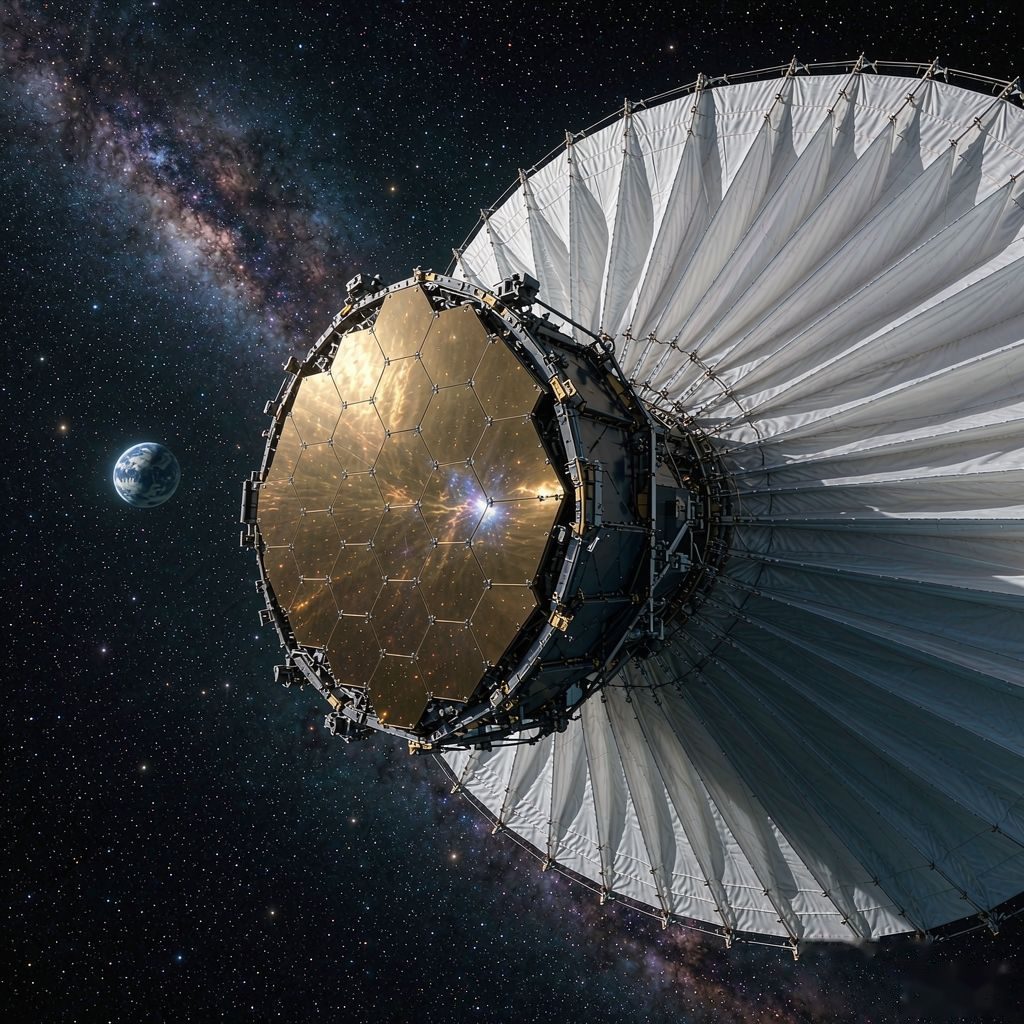
Earth's atmosphere is a smeared, colored filter: turbulence blurs starlight, and the air absorbs infrared, ultraviolet, and X-rays entirely. Put the telescope above it and everything changes. In 1990 Hubble captured the Deep Field — thousands of galaxies crowded into a seemingly empty patch of sky. The James Webb Space Telescope, with its 6.5-meter gold-coated mirror and a tennis-court-sized sunshield, orbits at L2 1.5 million kilometers away, catching infrared light from the universe's very first galaxies.
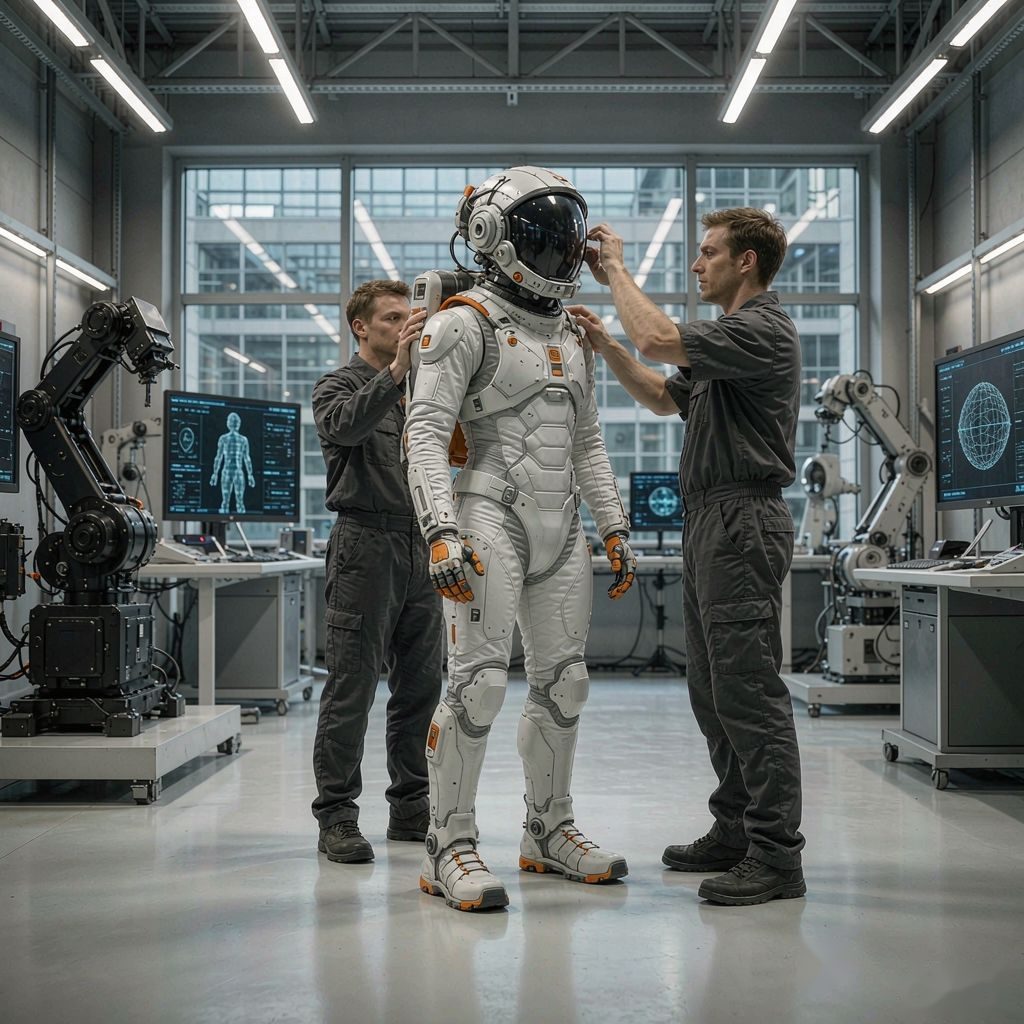
An EVA spacesuit is a one-person spacecraft. In vacuum water boils, unfiltered sunlight swings temperatures from +120°C to −150°C, and micrometeoroids never sleep. The suit must provide oxygen, pressure, thermal control, radiation and micrometeoroid protection, and communications — all at once. A full EVA suit weighs over 100 kg on Earth (weightless in orbit) across 14 layers: an outer tear-and-heat shell, a pressurized bladder at roughly a third of an atmosphere, and a water-cooled undergarment carrying away metabolic heat. A gold-coated visor tames the glare; the backpack powers eight hours of work — while the astronaut moves hand-over-hand at 7.7 km/s around the planet.
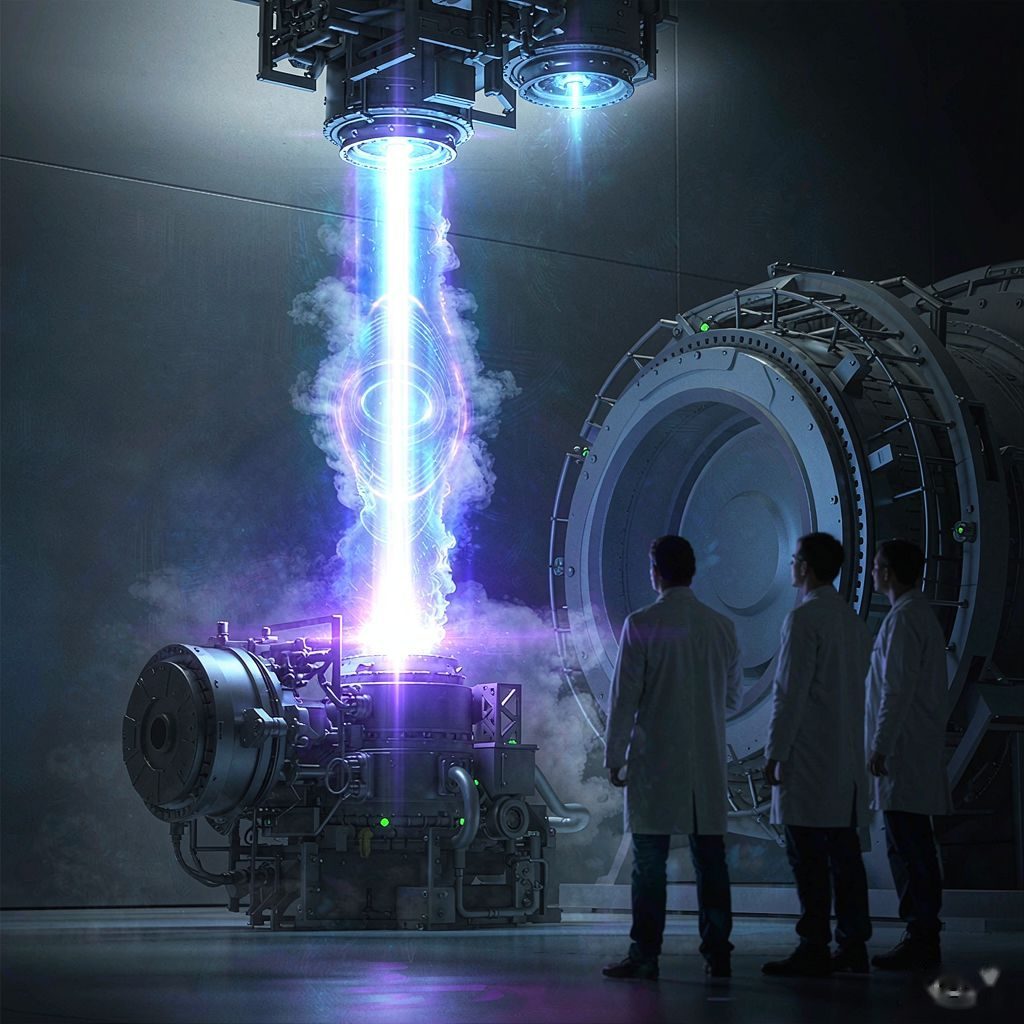
Chemical rockets deliver huge thrust but burn out fast. Electric propulsion is the opposite: solar or nuclear power ionizes xenon, and the ions are accelerated to tens of kilometers per second — ten times the exhaust velocity of chemistry, with thrust of mere tens of millinewtons, about the weight of a sheet of paper. But in frictionless space, time is on its side: months of continuous thrust add up to enormous velocity. The Dawn spacecraft used ion engines to orbit two asteroids; thousands of satellites use them for orbit-raising and deorbiting. Future nuclear-electric systems could cut the trip to Mars from seven months to three or four.
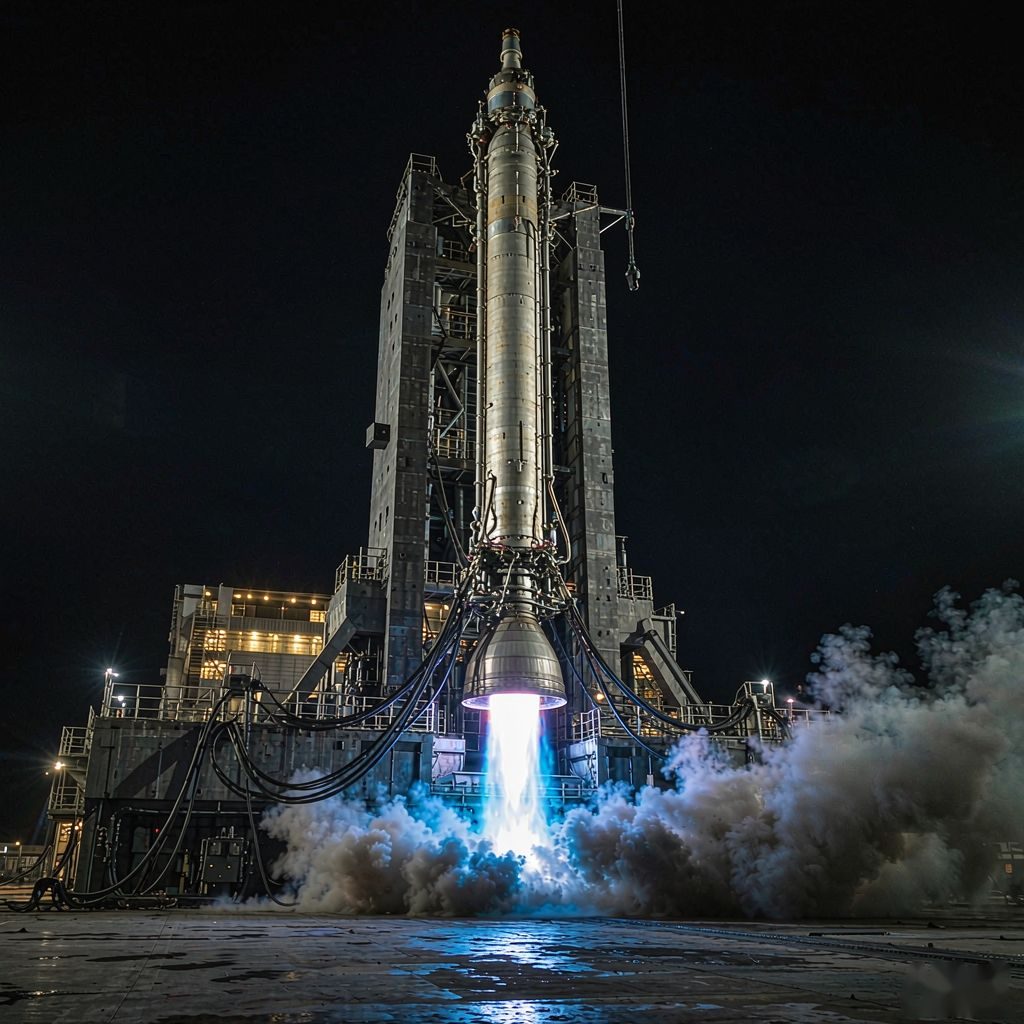
Spacecraft never fly "unwatched." Global tracking networks — giant 70-meter dishes of the Deep Space Network, relay satellites, ground stations on every continent — follow position, velocity, and health around the clock, uplinking commands and downlinking data. Before any engine flies, it endures hundreds of hot-fire tests: rated thrust, off-nominal conditions, restarts. The beauty of space engineering lies here: physics, materials, control theory, and team discipline fused into one perfect arc toward the sky.
