中文
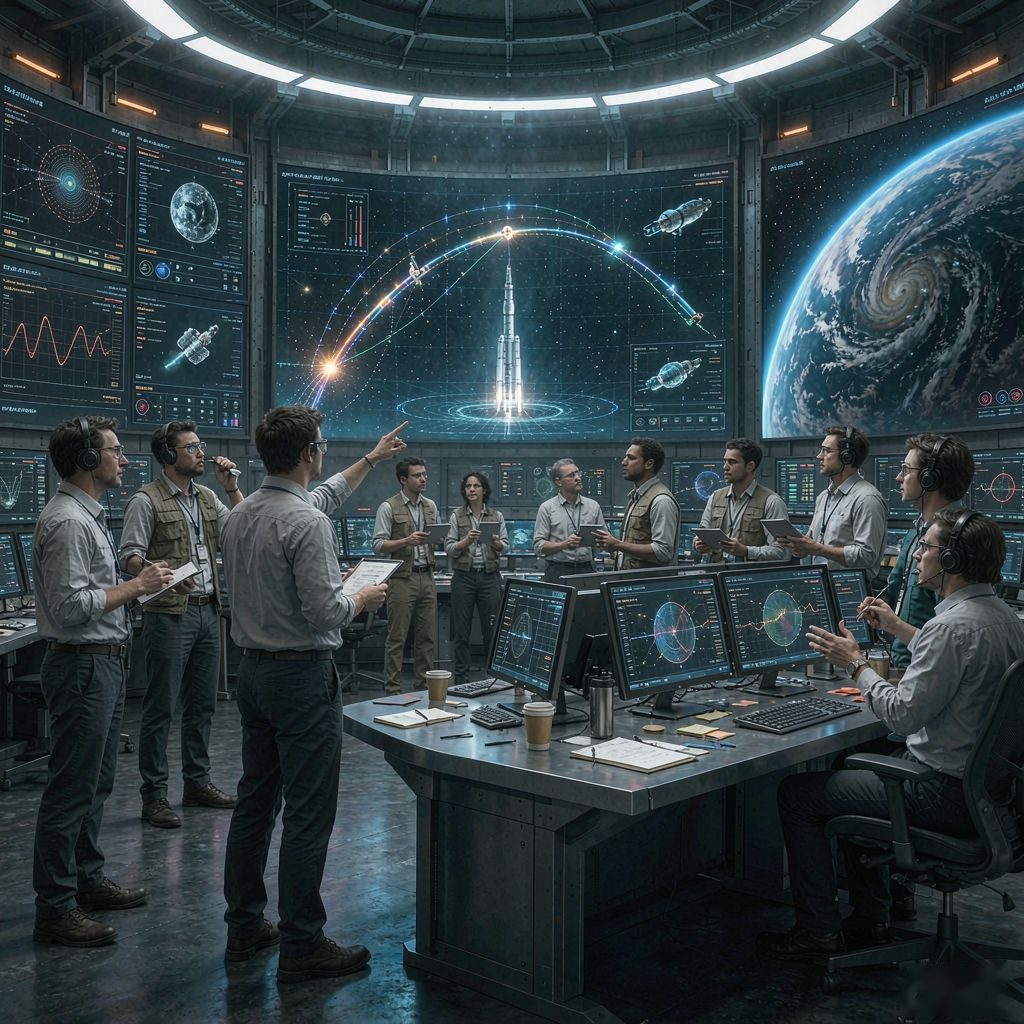
Mission control
Home / Get Involved

Get Involved

Space exploration is not only an astronaut's job — it is also a stargazer's chart, a student's model rocket, a citizen scientist's data submission. There is an orbit for everyone.
1. Learning & Education: A Path from Zero

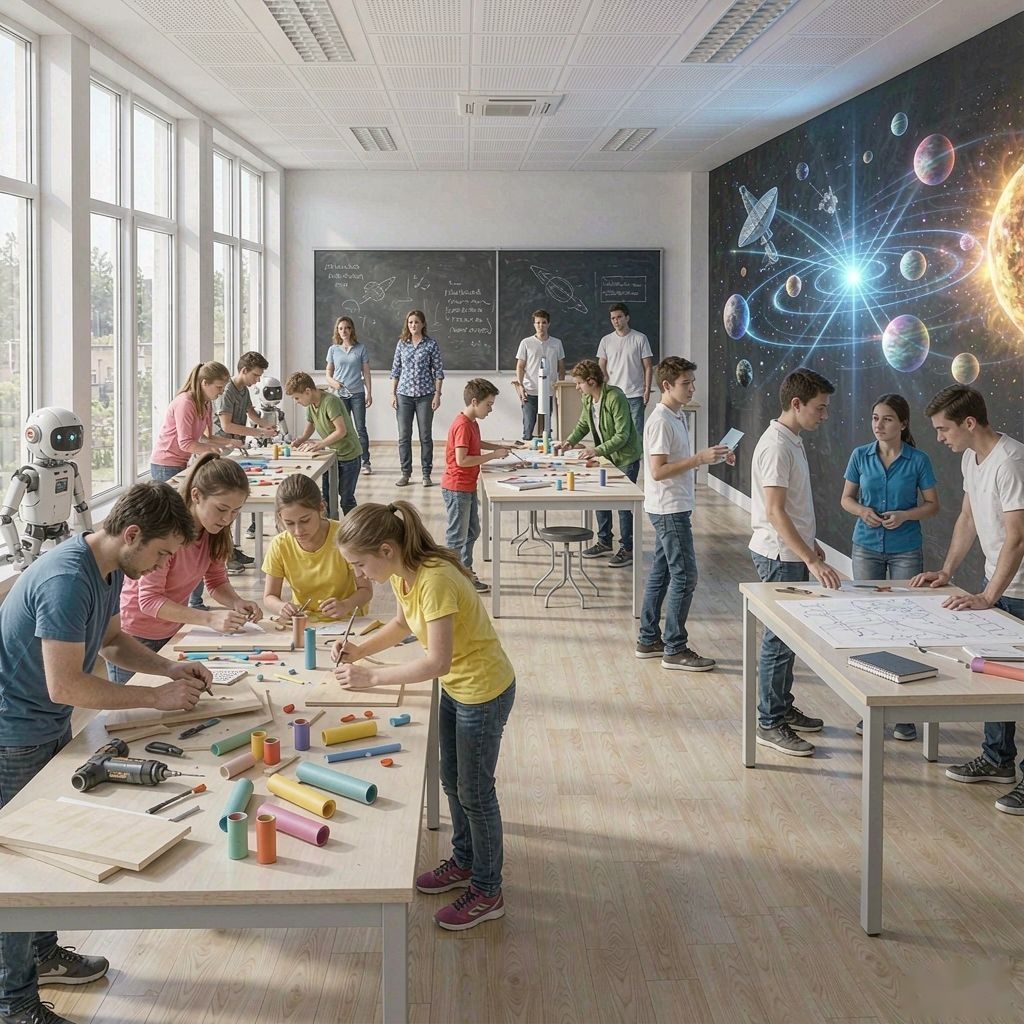
Classroom
The best inspiration is a rocket you built yourself

Whether you are a student, a parent, or a lifelong learner, the path is clear:
  • Entry (0–6 months): Read the classics (A Brief History of Time, Cosmos); watch documentaries (The Planets, From the Earth to the Moon); browse our Knowledge section.
  • Deeper (6–24 months): Take open university courses — astronomy, orbital mechanics, Python for data; join public programs at science museums and planetariums.
  • Hands-on (anytime): Build water rockets, model rockets, Arduino star trackers; join student space competitions and CubeSat programs.
  • Professional track: Aerospace engineering, astronomy, space science, and remote sensing are the gateways into the industry.

2. Community: Find Your Fellow Skywatchers

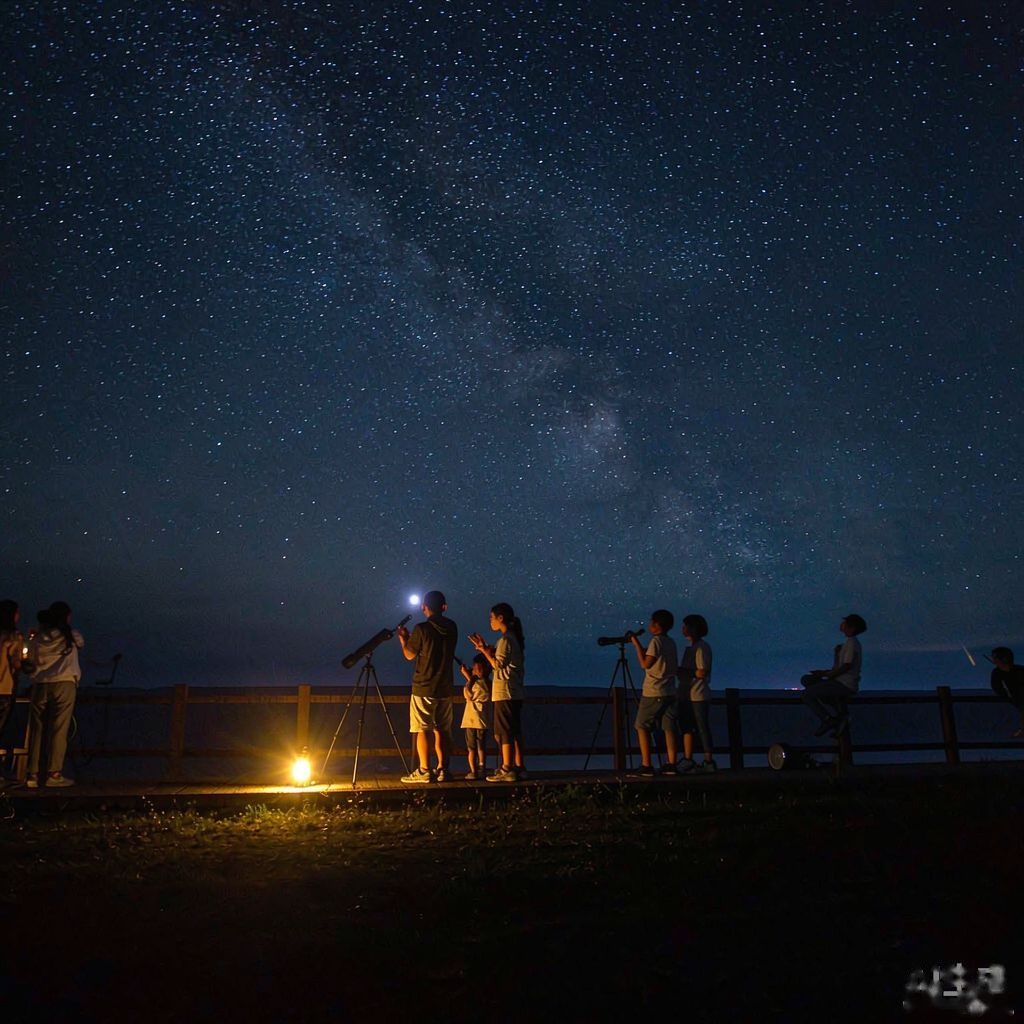
Star party
One night under the stars with friends beats a hundred solo looks

Nearly every city has an astronomy club. Join one and you gain dark-sky guides, gear advice, event calendars, and friends willing to wait for meteors at 3 a.m. The SPACEWAN community includes:
  • Online: weekly mission explainers, live launch streams, forums for observing, gear, and outreach.
  • Offline: quarterly city star parties, annual star festivals, museum visits, and a volunteer lecture corps for schools.
  • Calendar: the Perseids (August), the Geminids (December), eclipses, and planet opposition nights.

3. Citizen Science: Your Data Matters

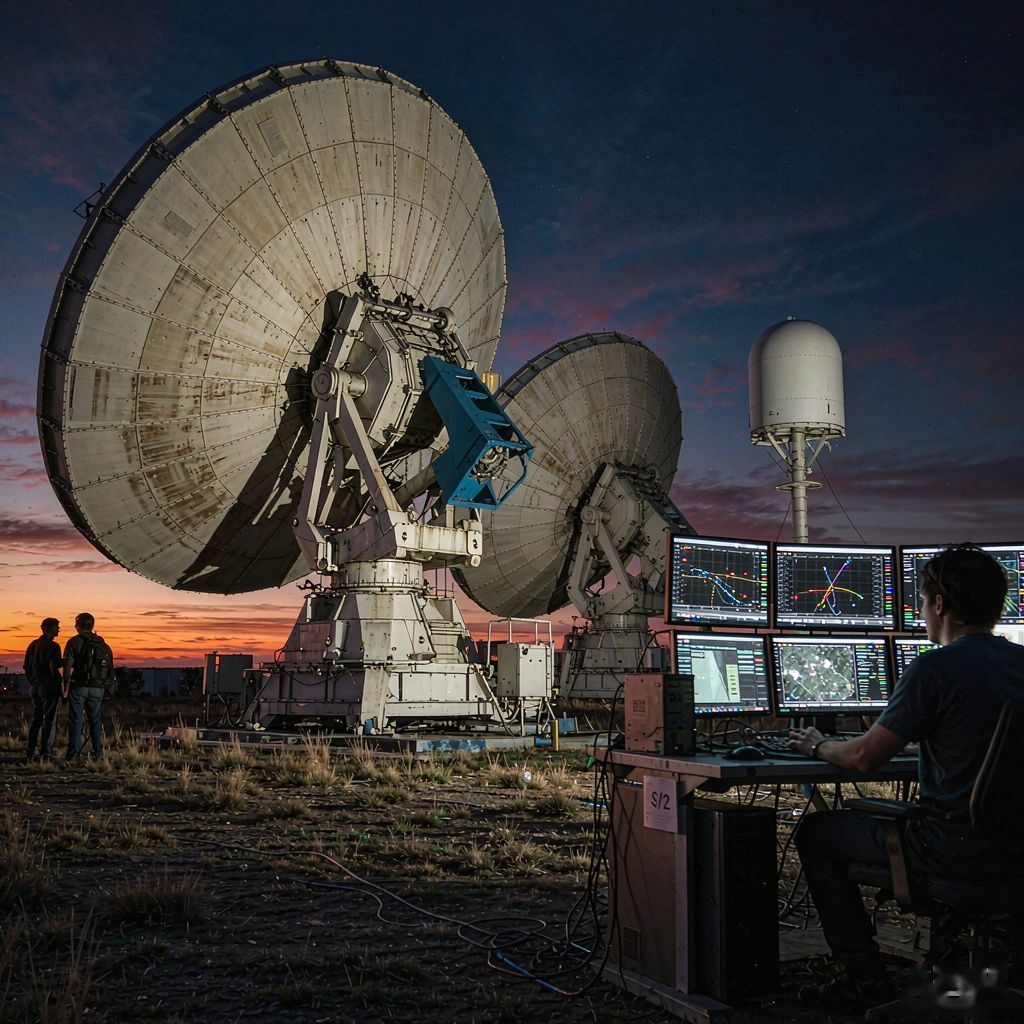
Ground station
An antenna and a laptop can hear signals from orbit

Modern astronomy drowns in data — and discoveries hide in it. Citizen science lets anyone contribute real results:
  • Planet hunters: Classify Kepler light curves on Zooniverse — several exoplanets were first flagged by volunteers.
  • Radio amateurs: Build a small ground station to receive weather-satellite imagery and ISS downlinks, or join amateur satellite comms.
  • Meteor networks: One wide-angle camera can record meteors 24/7 for the global database.
  • Occultations: Synchronized telescopes timing a star blinking out behind an asteroid reveal the asteroid's shape — a field where amateurs regularly deliver.
  • Distributed computing: Lend idle CPU cycles to radio-astronomy data analysis.

4. Technology & Innovation: From Hobby to Hardware

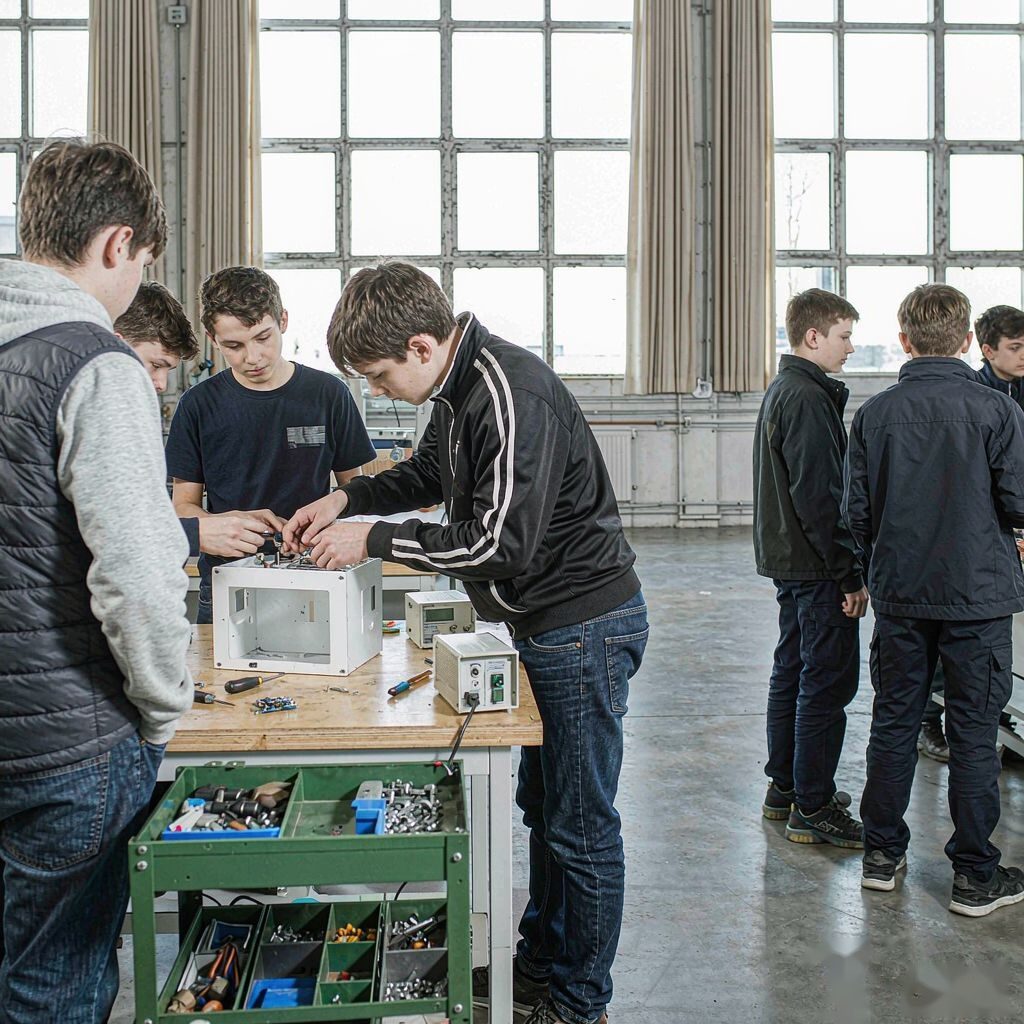
CubeSat team
CubeSats: university teams can build real satellites

Spaceflight is opening up. The 10-cm CubeSat format lets university — even high-school — teams put working satellites in orbit; open-source flight software, engine designs, and mission simulators thrive in the community. If you are an engineer or developer you can:
  • Contribute to open-source spaceflight software (orbit math, ground-station automation, mission visualization);
  • Join hackathons and CubeSat design competitions;
  • Build educational tools, visualizations, and outreach content;
  • Watch for openings at commercial launch companies — the industry needs software talent more than ever.

5. A Guide to Stargazing Gear

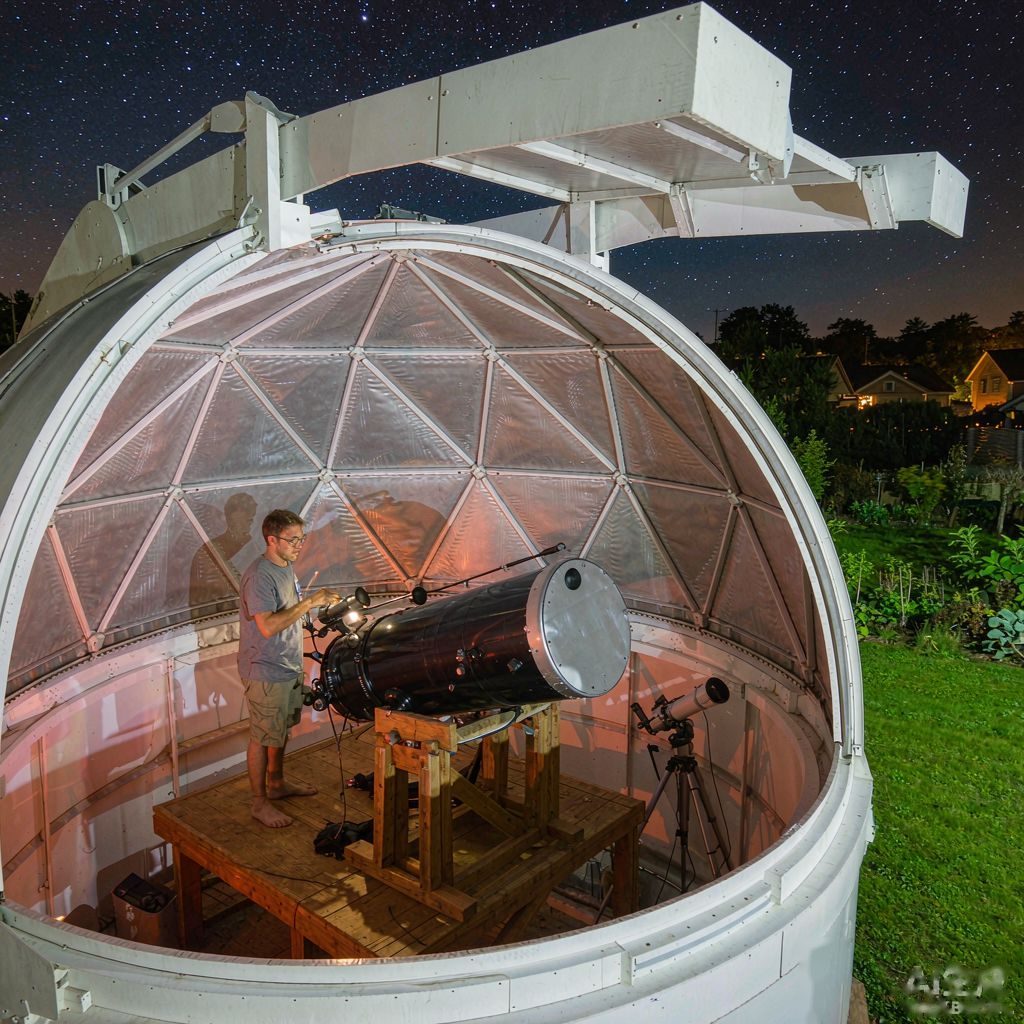
Backyard observatory
From binoculars to a backyard dome: a lifelong hobby

Most beginners stumble the same way: buying a big telescope first, then watching it gather dust. The right order is naked eye → binoculars → telescope. Binoculars offer wide views and instant mastery — the best first instrument. For telescopes, a steady mount matters more than aperture; equatorial mounts track the sky, and Dobsonians win on value.

Location is everything: under a bright urban moon you may see dozens of stars; from a true dark site, thousands and the Milky Way itself. Consult light-pollution maps, pick nights near new moon, and remember three habits: let your eyes adapt 20+ minutes, use a red flashlight, and use averted vision — look slightly to the side of faint targets, where your retina is more sensitive. When you're ready, astrophoto­graphy awaits: an entry mount and camera will capture nebulae, and even a phone on a tripod can hold the Milky Way. The end point of stargazing is not equipment — it is a growing familiarity between you and the universe.

6. Your 30-Day Action Plan

Week 1

Look up

Install a star app, learn five constellations, and watch the ISS cross your sky.

Week 2

Read

Finish our Knowledge section: light-years, habitable zones, black holes, orbital velocity.

Week 3

Build

Launch a water rocket; complete your first exoplanet classification on Zooniverse.

Week 4

Share

Take a friend stargazing; write a short post or shoot a video for the community.

7. Support SPACEWAN

SPACEWAN is a non-profit outreach project — we believe that helping more people understand space is an investment in humanity's future. You can support us by contributing articles or photography, volunteering for school lectures, recommending this site to students and friends — or simply by looking up tonight.

Contact & Join →